
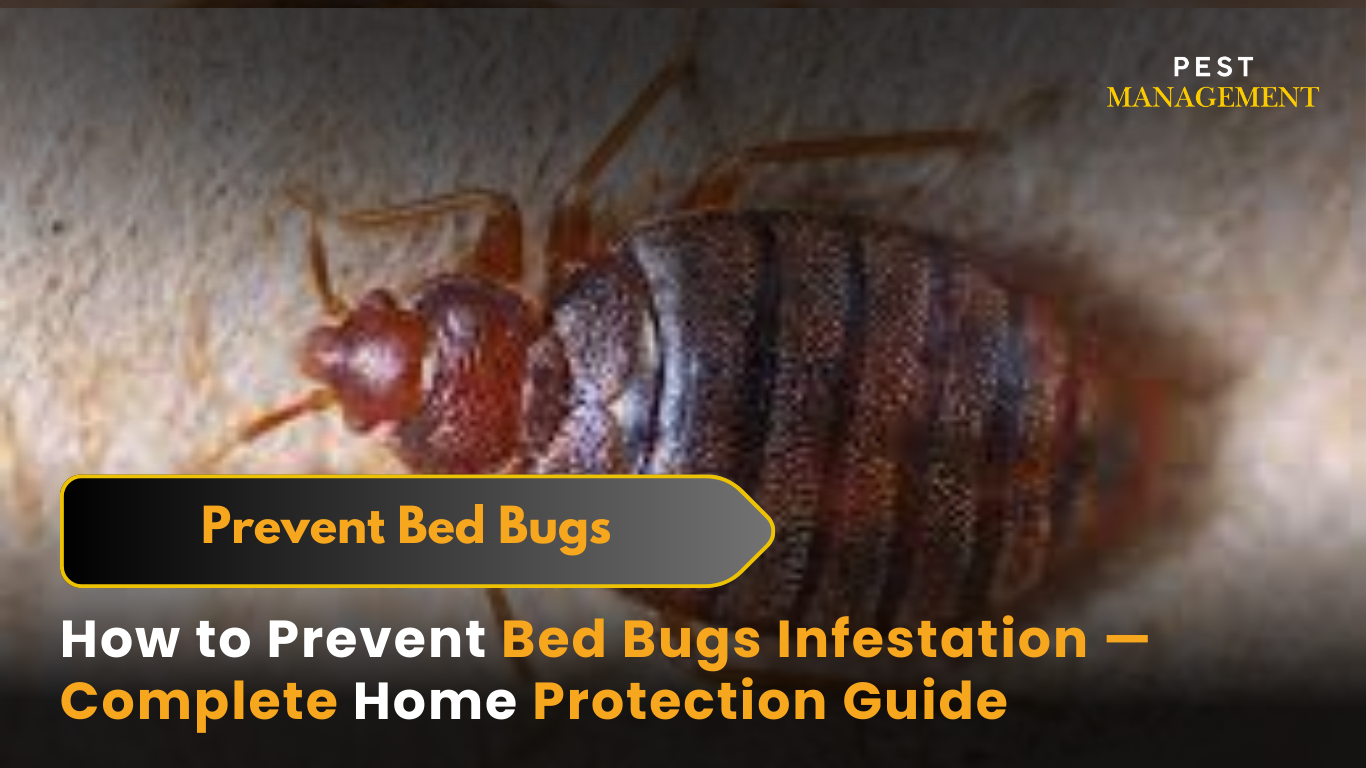
How to Prevent Bed Bugs Infestation — Complete Home Protection Guide
Bed bugs are one of the most stubborn and stressful pests to deal with. These tiny, reddish-brown insects hide deep inside mattresses, furniture, cracks, and even electrical outlets. Once they enter your home, they multiply quickly and spread from room to room. That’s why learning how to prevent bed bugs infestation is the smartest approach to keep your home safe, clean, and bite-free.
Whether you’ve dealt with bed bugs before or simply want to safeguard your home, this comprehensive guide covers everything you need to know—early detection, prevention strategies, cleaning habits, and professional support.
What Makes Bed Bugs So Hard to Prevent?
Before understanding how to prevent bed bugs infestation, it’s important to understand why these pests spread so easily:
-
They are extremely small and difficult to see.
-
They hide in tiny cracks where normal cleaning tools cannot reach.
-
They travel easily through luggage, clothing, and furniture.
-
They can survive months without feeding.
-
A single female can lay hundreds of eggs.
Because of these capabilities, prevention must be consistent and systematic, not occasional.
1. Inspect Sleeping Areas Regularly
The first line of defense in how to prevent bed bugs infestation is routine inspection. Bed bugs typically hide close to where their hosts sleep or rest.
Check These High-Risk Places:
-
Mattress seams and tags
-
Box springs
-
Bed frames and headboards
-
Cracks in walls or furniture
-
Behind picture frames
-
Upholstered couches and chairs
-
Baseboards and carpet edges
2. Use Mattress & Box Spring Encasements
Bed bug-proof encasements are one of the most effective tools in how to prevent bed bugs infestation.
These covers trap existing bugs inside and prevent new ones from settling in.
Benefits of Encasements:
-
Reduce hiding spots
-
Prevent infestation in mattresses
-
Make inspection easier
-
Trap bugs until they starve
Choose only certified bed bug–proof encasements for the best results.
3. Reduce Clutter to Eliminate Hiding Spots
Clutter is a major contributor to bed bug survival. A clean home makes prevention easier by reducing possible hiding places.
Declutter These Areas Often:
-
Bedrooms
-
Closets
-
Under the bed
-
Storage rooms
-
Living room corners
Store items in sealed bins instead of open baskets. A clutter-free environment greatly supports your strategy of how to prevent bed bugs infestation.
4. Wash Bedding & Clothing Frequently
Heat is the most reliable, natural way to kill bed bugs, their eggs, and nymphs. A key step in how to prevent bed bugs infestation is regular washing and drying.
Wash These Items Weekly:
-
Bedsheets
-
Pillow covers
-
Mattress protectors
-
Blankets and quilts
-
Curtains
-
Clothing stored near the bed
Dry items on high heat for 20–30 minutes. This destroys all stages of bed bugs.
5. Be Cautious With Used Furniture
Second-hand furniture is one of the fastest ways bed bugs enter homes.
Always inspect:
-
Bed frames
-
Sofas
-
Recliners
-
Mattresses
-
Dressers
If you’re unsure, refer to the main pest library for early signs, photos, and comparison clues.
Never bring home furniture left outside or on sidewalks—it is often infested.
6. Seal Cracks & Crevices
Bed bugs hide in cracks as thin as a credit card. Sealing these helps block infestations before they start.
Seal areas around:
-
Baseboards
-
Window frames
-
Wall outlets
-
Door frames
-
Floorboards
-
Bed frame joints
Caulking is a simple but powerful step in how to prevent bed bugs infestation.
7. Inspect Luggage After Traveling
Travel is the #1 cause of new bed bug infestations.
After returning home:
-
Inspect luggage seams
-
Wash all clothing immediately
-
Dry on high heat
-
Use a hand steamer inside suitcases
-
Store luggage away from bedrooms
If you’re unsure how to identify signs, visit about us to learn how expert technicians conduct professional inspections.
8. Keep Beds Away From Walls
Your bed should never be touching walls, curtains, or furniture. This reduces bridge points for bugs to climb onto your bed.
Positioning Tips:
-
Keep 6–8 inches clearance
-
Avoid letting bedding touch the floor
-
Remove decorative pillows not washed often
This simple arrangement helps significantly in how to prevent bed bugs infestation inside bedrooms.
9. Use Bed Bug Interceptors
Interceptors are small dishes placed under each bed leg.
They help by:
-
Trapping bed bugs
-
Monitoring activity
-
Preventing bugs from reaching you
-
Measuring infestation levels
A low-cost and powerful prevention tool.
10. Maintain Vacuuming & Steam Cleaning
Vacuuming removes dust, shed skins, and live bugs. Steamers kill hidden eggs and nymphs easily.
Vacuum weekly:
-
Mattress edges
-
Sofas
-
Carpets
-
Baseboards
-
Upholstered chairs
Steam cleaning mattresses and furniture once a month is a high-value method in how to prevent bed bugs infestation long term.
11. Educate Everyone in the Household
Bed bug prevention requires teamwork.
Teach family members:
-
How to recognize early signs
-
How to avoid placing bags on beds
-
How to inspect clothing or backpacks
-
How to avoid clutter
Education ensures long-term safety.
12. When to Call Professional Exterminators
If you notice:
-
Bites appearing daily
-
Rust-colored stains
-
Live bugs in multiple rooms
-
Musty odors
-
Bugs returning after DIY treatment
It’s time to consult professionals.
For long-term tips, you can also review how to prevent bed bugs infestations to stay ahead of future risks.
Additional Prevention Tips
-
Inspect pets’ bedding weekly
-
Avoid storing cardboard boxes
-
Use metal or plastic storage bins
-
Steam clean every 30 days
-
Avoid buying second-hand mattresses
-
Do not store clothes under your bed
-
Install door sweeps in bedrooms
These habits strengthen your home’s defense.
Conclusion — Mastering How to Prevent Bed Bugs Infestation
Understanding how to prevent bed bugs infestation requires consistent habits, early detection, and smart home practices. Bed bugs spread quickly, hide in the smallest spaces, and survive long periods without feeding, making prevention far more effective than treatment.
With proper cleaning, clutter reduction, mattress encasements, careful travel habits, and regular inspections, you can significantly reduce the chances of bed bugs entering your home. And if the infestation becomes overwhelming or persistent, professional exterminators have the advanced tools needed to eliminate the problem completely.
By staying alert and proactive, you can protect your home and family from one of the most troublesome pests. Prevention is the key to staying bed-bug-free for the long term.
editor's pick
latest video

news via inbox
Nulla turp dis cursus. Integer liberos euismod pretium faucibua


